AI Production · Independent Consultancy
AI advice from people who use it. Not people who sell it.
Someone in your building, or someone your client reports to, has asked the AI question. You need an answer that isn't a vendor pitch, a YouTube explainer, or a think-piece from someone who has never delivered a production.
What we do
We're working filmmakers. We've used AI tools on real productions. We've built custom tools on top of them. We know what the regulations actually require at delivery. And we have nothing to sell you except a straight conversation.
The creative side
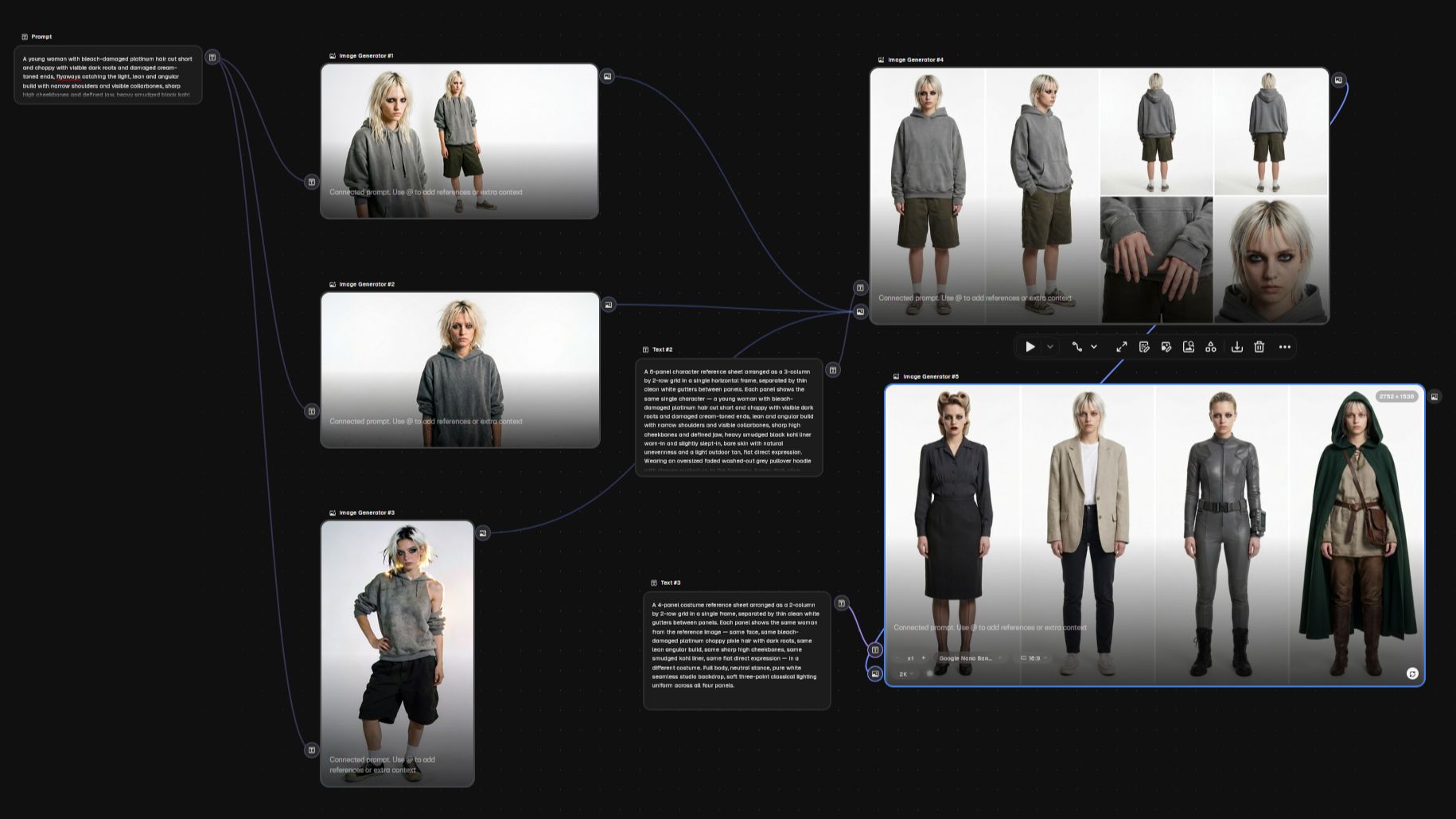
AI video, images, voice, and script. What it can do, what it actually costs, what the regulations require, and when to use a camera instead.
The operational side
Custom tools, workflow automation, research. The day your team spends reading websites and writing summaries: gone, or close to it.
Part one · The creative side
What AI actually does to a production budget
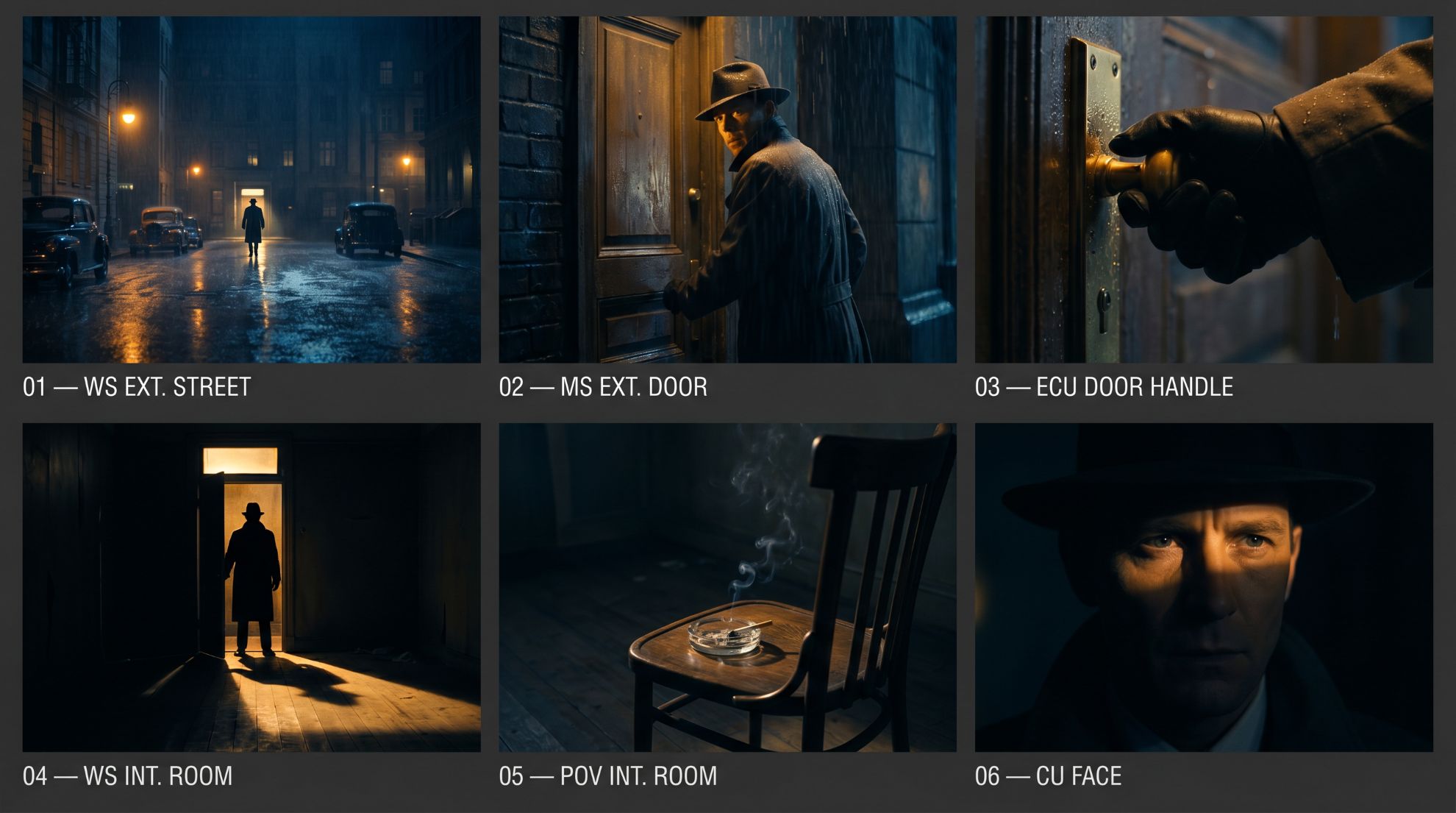
The honest answer is rarely the one being marketed. Some shots want a camera. Some want a generative pipeline. Some want both, stitched together. Knowing which is which is most of what you're paying for.
It isn't. Tooling, compute, iteration cycles, and the senior creative time to direct it all add up. There are real costs behind the demos.
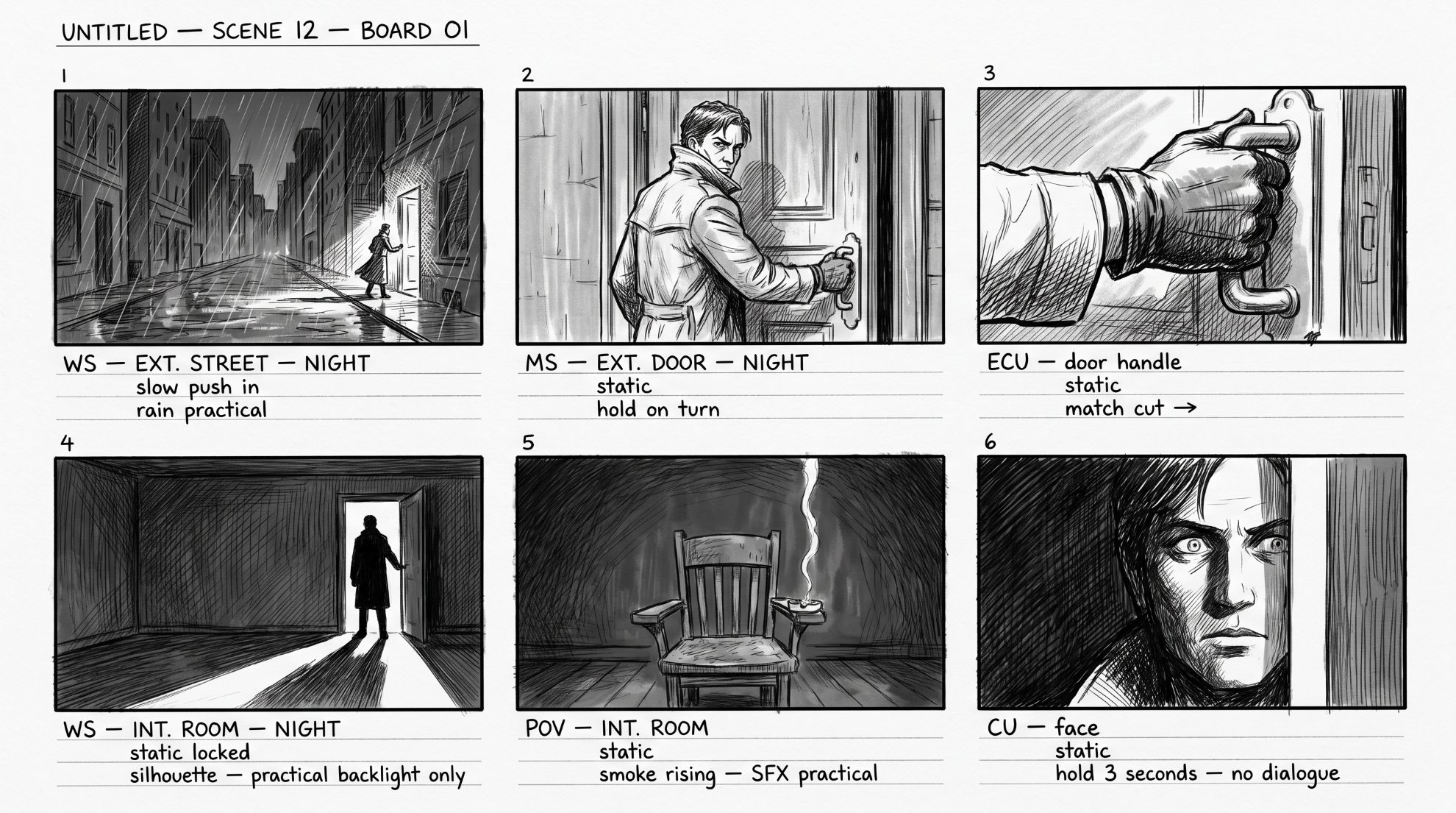
Faster, not instant. A finished spot still wants storyboarding, art direction, generation cycles, and a proper grade and edit.
For some shots, yes. For others, audiences clock it inside a second. Knowing when to use it is most of what you're paying for.
Not anymore. Since the EU AI Act came into force, synthetic media carries labelling and provenance duties, and they bite at delivery, not in post.
The regulatory picture
Disclosure isn't optional. It's a workflow problem.
The EU AI Act is live. Synthetic media needs labelling, C2PA metadata needs to be in the pipeline before delivery, and broadcasters and advertisers distributing into EU markets need to know what applies to them. We know the workflow from the inside.

Part two · The AI intern
The work nobody wants to spend a day on
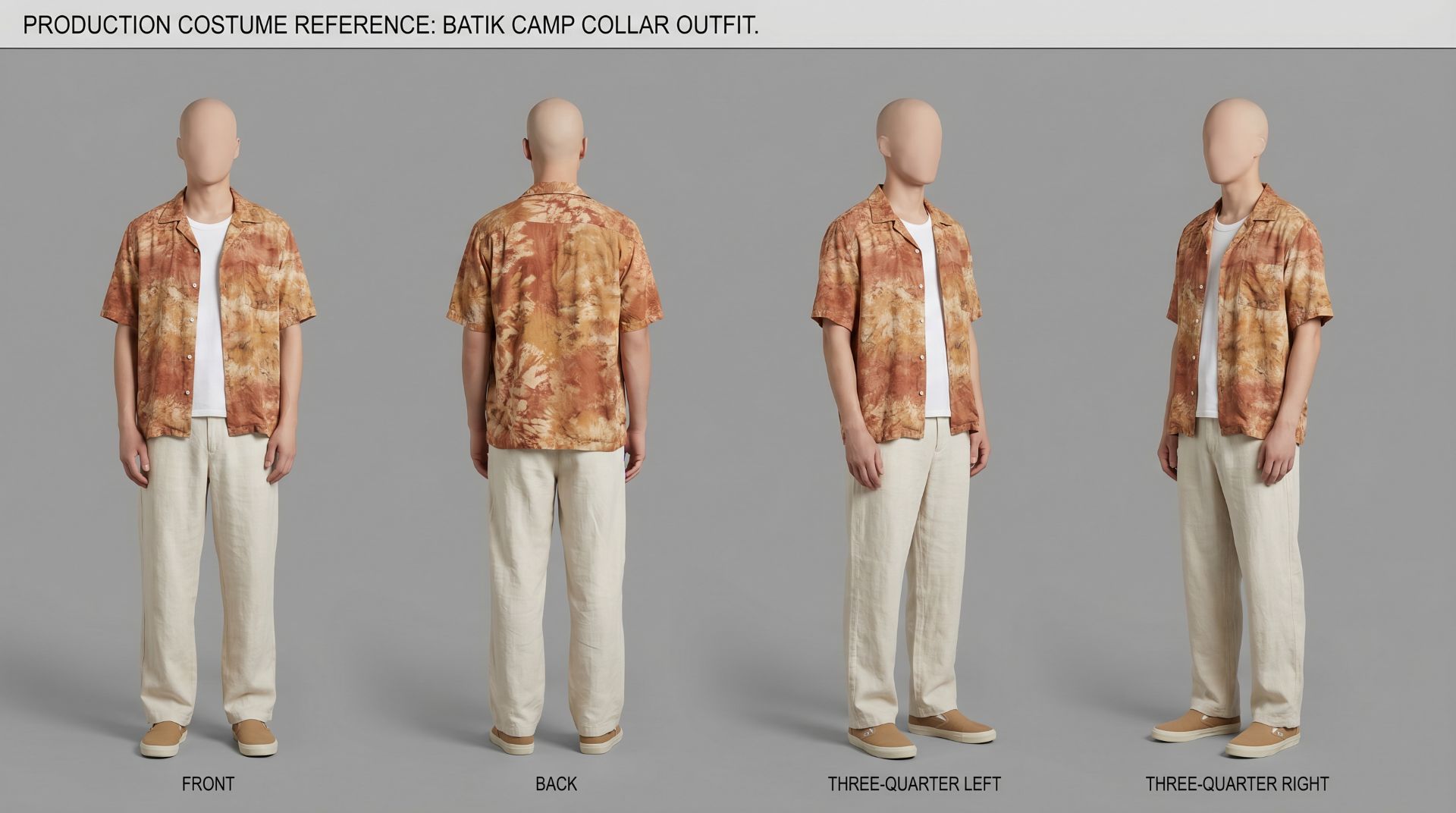
There's a version of AI that has nothing to do with video or images. It's the intern who reads everything, summarises it accurately, writes the first draft, builds the tool, runs the research, and has it done before lunch. Most productions don't know this exists. The ones that do get a day back every week.
Built for how you actually work
Off-the-shelf software is built for the industry average. Our call sheet generator reflects our crew structure, our shoot rhythm, our way of communicating on set. Built in an afternoon. Used on every production.
The reading, done before lunch
Location research, talent research, competitor analysis, regulatory summaries. The day of reading websites and producing a report. AI does the leg work. You make the decisions.
The two-hour jobs that produce nothing
Repetitive pipeline tasks: format conversions, file naming, delivery checklists, first-draft documents. The work that takes two hours and produces nothing interesting. Gone, or close to it.
Probably, yes
If you know exactly what's wrong with the tool you're currently using, there's a good chance something better is buildable. Build it yourself, talk through how we approached ours, or hand it over entirely - any of those is fine.
Why an independent voice
No platform. No incentive to sell.
Most AI advice you'll find online is attached to a tool: a studio plugging a workflow, a vendor demoing their model, an influencer chasing affiliate revenue. The advice bends toward the product.
We're working filmmakers. We use these tools in production, we've built tools on top of them, and we say so when they're not the right answer. The recommendation is the deliverable, not a piece of software you have to buy afterwards. It's not a free conversation - but if you've spent any time in comment sections trying to get a straight answer about this technology, it'll be worth your time.
The things we don't do
Worth saying out loud.
Selling software
No reseller deals, no preferred platforms. We discuss what fits the job.
A course or cohort
If you want a curriculum, there are plenty. We do one-to-one consultancy.
Speculative bidding
We don't put forward AI for jobs that genuinely need a camera. We'll say so.
Magic answers
The technology is changing weekly. Anyone offering certainty is selling something.
Legal advice
We handle the workflow side. We're filmmakers, not lawyers.
Tell us what you're trying to make.
Or what you're trying to stop wasting a day on. Either works.
Start a conversation